




 Martin Todorov

 Riccardo Muscarella

 Emma Rossi

 Matteo Moras

 Lucas Schmidt

 Roberto D'Adago

 Roger Jungo
What can you do with a hobby laser machine
A hobby laser engraving machine opens up a wide range of craft and making projects that are difficult or time-consuming to achieve by hand:
- Wooden puzzles and models - cut interlocking parts, scale models, and architectural miniatures from plywood or MDF with consistent precision
- Cosplay props and costume parts - shape acrylic, foam-backed fabric, and thin wood into detailed props, insignia, and decorative elements
- Custom patches and textile work - cut fabric shapes cleanly for embroidery bases, appliqué, and hobby laser cutter wood-and-fabric mixed projects
- Engraved gifts - personalise wooden boards, acrylic keyrings, leather wallets, and other small items with text or detailed artwork
- Craft project components - produce repeated parts for jewellery, model kits, stationery, and decorative homewares at a pace hand tools cannot match
How to choose a laser machine for hobby use
A laser engraver for hobbyists is sized and priced for creative use, with a material range that covers the majority of craft applications. What separates a well-matched machine from an overpowered or underspecified one comes down to a handful of criteria:
- Budget and value - hobby laser cutter price varies by work area, power, and configuration; contact our team for current figures and available options rather than relying on listed prices that may not reflect stock
- Work area - a 500×300 mm bed covers the majority of hobby projects; a 600×400 mm format is worth considering for larger props, panels, or batch cutting of smaller parts
- Material compatibility - 55-60W handles wood up to 8-10 mm, acrylic, leather, fabric, and paper; sufficient for the full range of typical hobby laser cutter and engraver applications
- Desktop format - a machine footprint under 1000×650 mm fits a hobby bench or spare room without structural changes or dedicated ventilation infrastructure beyond a standard exhaust duct
- CO2 vs diode - CO2 lasers process a broader material range than diode alternatives, including acrylic and most fabrics, making a co2 hobby laser cutter the more versatile long-term choice for mixed-material craft work
Why buy from Virmer
Virmer is an official distributor with machines held in European stock, which means fast delivery and no import delays for EU buyers. Each machine ships with a warranty and post-sale technical support from our in-house team - browse the full range of CO2 CNC machines for laser cutting and engraving non-metals or contact us to arrange a free online demo before you order.
Frequently Asked Questions about CO2 Laser Cutters & Engravers for Hobby
Which laser machine is best for hobby projects?
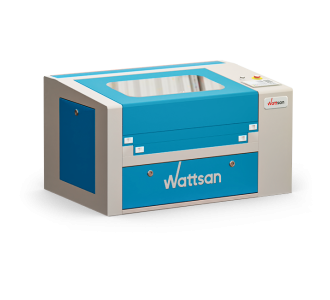
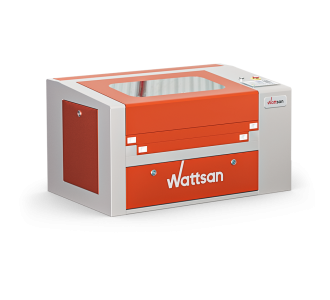
A desktop machine in the 500x300mm range with 55-60W is a practical starting point, balancing affordability, a work area suited to typical craft-sized projects, and enough power for common hobby materials like wood, acrylic, and leather. The next step up is the 600x400mm, 90-100W Wattsan 6040 for larger or thicker projects. Larger formats in this category suit advanced hobbyists moving toward regular production. See our hobby laser cutting machine buyer's guide.
Can a hobby laser both cut and engrave?
Yes. Most hobby CO2 laser machines handle both by adjusting power and speed, though focus, air assist, and pass count also affect the result. One purchase covers cutting projects and engraving projects without needing separate equipment. See our hobby laser engraving machine guide for engraving-specific tips.
Which materials are easiest for hobby laser cutting?
Laser-grade plywood, untreated wood, PMMA acrylic, paper and cardboard, and laser-compatible felt are the most forgiving starting materials. Leather also works well, though results depend on tanning method and finish. MDF cuts evenly but produces significant smoke and resin byproducts, so ensure strong extraction first. PVC and PVC-based vinyl must never be processed, since heating can release toxic, corrosive hydrogen chloride and other chlorine-containing gases.
How much laser power does a hobby laser cutter need?
55-60W is a practical starting range for engraving and cutting thin hobby materials like wood, acrylic, leather, and paper. An 80-100W machine offers more speed and capacity for thicker plywood or acrylic, larger projects, and more frequent use. This is the machine's nominal tube power, not the percentage used in a specific cut.
How much workspace and ventilation are required?
Space needs depend on the model: compact desktop units need a sturdy table, but larger hobby-category machines, some over 100kg, need a floor or support rated for their full weight and footprint. Beyond the machine itself, leave room for the chiller, compressor, extraction ducting, lid clearance, and maintenance access. Use a laser-rated filtration unit if external venting isn't possible - an open window is not a substitute for proper extraction.
What can I make with a hobby laser cutter?
Popular hobby projects include personalised gifts, home decor, jewelry, coasters, ornaments, acrylic keychains, rubber stamps, wooden bookmarks, model kits, puzzle pieces, engraved photo frames, custom signage, and engraved tumblers with a rotary attachment. Many hobbyists also make small-batch packaging prototypes or products to sell through online shops and craft fairs.
Can a hobby laser cutter be upgraded later?
To some extent. Accessories like a rotary attachment, honeycomb bed, or air assist can expand capabilities, though compatibility varies by model - some may already be included. The work area is fixed, and any tube-power increase must stay within the manufacturer's approved specifications; a full tube replacement can also require a new power supply, mounts, cooling, and optics.

