









 Martin Todorov

 Riccardo Muscarella

 Emma Rossi

 Matteo Moras

 Lucas Schmidt

 Roberto D'Adago

 Roger Jungo
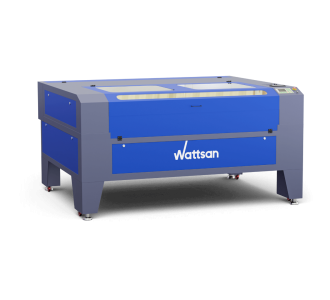
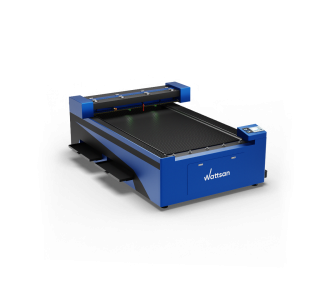
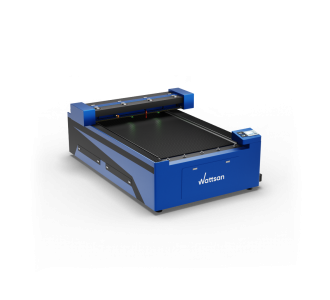
Compare CO2 laser machine formats
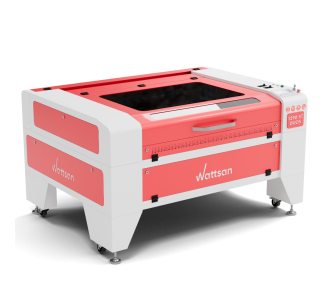
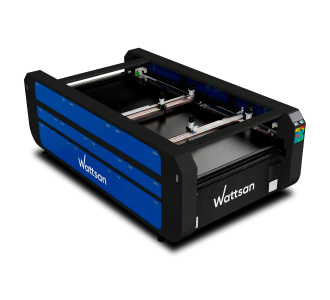
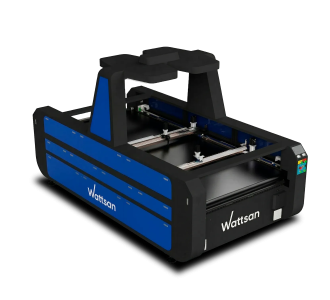
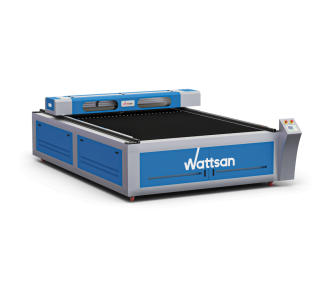
Compare working areas for your largest part and the number of pieces in one layout.
| Format | Working area examples | Typical products |
|---|---|---|
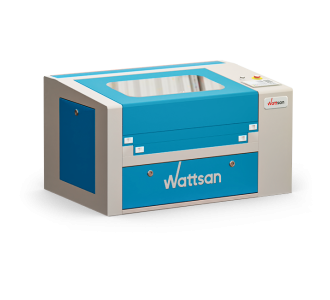
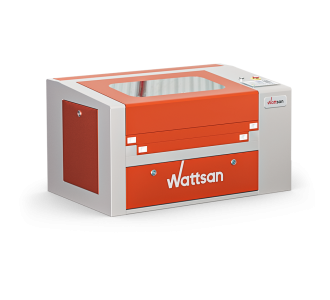
| Compact | 500 × 300; 600 × 400 mm | Gifts, labels, small parts |
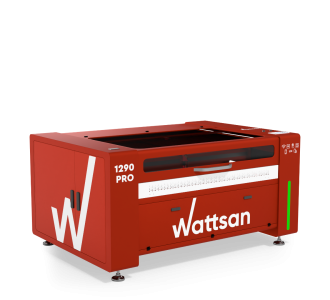
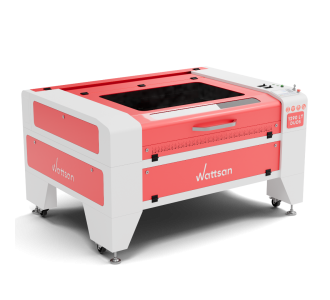
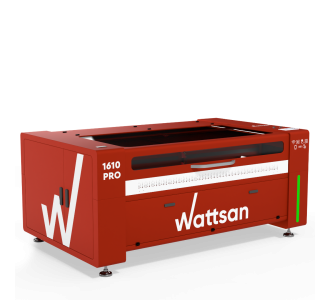
| Workshop | 1200 × 900; 1600 × 1000 mm | Signs, displays, model parts |
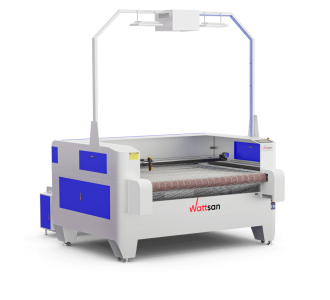
| Large format | 1800 × 2000; 3000 × 2000 mm | Panels, sheet and textile products |
What can you cut and engrave with a CO2 laser?
CO2 laser engraving machines process wood, plywood, MDF, acrylic, leather, textiles and paper for signs, gifts, patches and packaging prototypes. Additional materials include veneer, cardboard and laser-compatible rubber for stamps. Suitable grades of PET and polystyrene can be laser cut; other plastics and PVC-free artificial leather require confirmation of laser compatibility for the intended operation. Check material composition and coatings for laser compatibility. Glass, stone and ceramics are for surface engraving. For metal cutting, compare fiber laser cutters; for marking or engraving bare metal, see laser marking machines.
How to choose a CO2 laser cutter and engraver
Many models perform both operations. Match tube power to material thickness and required cutting speed; assess engraving detail with a sample test.
Test cutting on your actual material and thickness to check edge quality, processing time and whether one pass is sufficient.
- Table and loading: check sheet size and height adjustment - to fit full sheets and leave room for a rotary attachment.
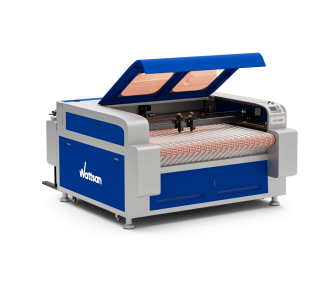
- Production options: dual heads can cut duplicate parts together; conveyors feed roll materials; cameras align cuts with printed contours.
- Setup: check controller/software compatibility with your files; cooling prevents tube overheating, extraction removes fumes and air assist clears debris from the cut.
CO2 laser machine prices and setup costs
Compare current product prices and request a quote including accessories, delivery and commissioning. Budget for tube and optics replacement as well as the machine.
Advantages of buying a CO2 laser machine from Virmer
Virmer is the official Wattsan distributor in Europe and a supplier of CO2 laser cutting and engraving machines with selection advice, demonstrations, material tests, operator training and after-sales support. Standard machine warranty is 24 months; selected series qualify for up to 60 months under agreed terms. Send your material, thickness, part size and output requirements to info@virmer.com for a quote.
Frequently asked questions about CO2 laser cutting and engraving machines
Can one CO2 machine cut and engrave?
Yes, many models perform both operations using different settings. The suitable power, lens and speed depend on the material and the required result. If you need both, test representative cutting and engraving jobs before choosing a configuration.
What thickness can a CO2 laser cut?
There is no universal conversion from watts to millimetres. Laser power, material composition, adhesives, lens, air assist and cutting speed all affect the result. Ask for a test on your material at the required thickness to check whether it cuts through in one pass, at what speed and with what edge quality.
Can I use a CO2 laser for metal?
The machines in this category are primarily for non-metallic materials. A CO2 laser can remove paint or an anodised layer from suitable metal surfaces; specialist marking compounds can produce surface marks on compatible metals. Neither process is the same as deep engraving the metal itself. For regular sheet-metal cutting, compare fiber laser cutting machines. For direct marking or engraving of bare metal, compare laser markers.
Which software can I use with a CO2 laser machine?
Compatibility depends on the controller and its firmware. Confirm whether the exact model supports RDWorks or LightBurn, which file formats it accepts and whether the required software licence is included. This helps you check that your design files can be used with the selected machine.
Can I engrave glasses or bottles?
Yes, on suitable models with a compatible rotary attachment, which rotates the item during engraving. Check the item's diameter, length and shape, the attachment type and the clearance inside the machine. Ask for a sample test to assess the result on your glass.
What do I need to install a CO2 laser machine?
Plan for the specified power supply, suitable cooling, fume extraction and air assist, plus space for loading and maintenance. Confirm the requirements and included accessories for the exact model so you can prepare the workspace and budget for any additional equipment.
Which materials should not be processed with a CO2 laser?
Do not process PVC or PTFE (Teflon): laser processing can release hazardous emissions. This also applies to PVC-containing artificial leather. For materials of unknown composition, ask the material manufacturer to confirm their composition and suitability for laser processing before use.

