




 Martin Todorov

 Riccardo Muscarella

 Emma Rossi

 Matteo Moras

 Lucas Schmidt

 Roberto D'Adago

 Roger Jungo
What can you do with a home laser machine
At 55-60W, desktop CO2 laser machines cover a broad range of personal and small-scale projects:
- Personalised gifts and home decor - engraved kitchenware, custom wooden signs, decorative wall panels, and photo frames with engraved text or patterns
- Fabric cutting - clean, fray-free edges for sewing projects, pattern cutting from cotton, felt, and synthetic textiles, and appliqué preparation
- Acrylic work - jewellery blanks, display stands, light diffusers, and decorative cut-outs across a range of thicknesses up to 8-10 mm
- Leather accessories - engraved wallets, keyrings, belts, and personalised leather goods with fine detail that hand tools cannot replicate
- Paper and cardboard - greeting cards, gift packaging prototypes, intricate stencils, and architectural scale models
For anyone running a personal laser engraver at home, this material range covers most craft and decorative applications without a machine change.
How to choose a laser machine for home use
A home use laser engraver operates under different constraints than a workshop machine - space, noise, and ease of use matter alongside cutting performance. For anyone selecting a laser cutting machine for home use, these are the filters that narrow the choice:
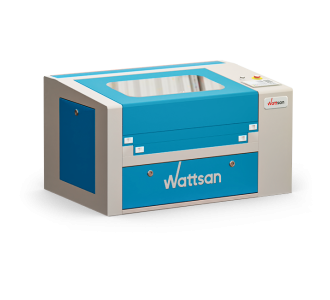
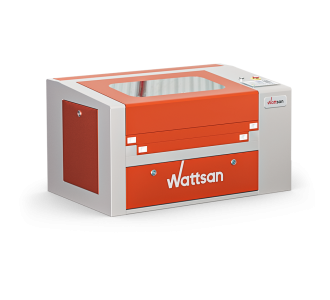
- Desktop footprint - the Wattsan 0503 Hobby-T measures 1035x590x275 mm and fits a standard workbench without occupying a dedicated room
- Ventilation - CO2 laser cutting produces fumes that require extraction; indoor placement needs a ducted exhaust or a filtration unit rated for the material being processed
- Power and material range - 55-60W processes wood up to 8-10 mm, acrylic, leather, fabric, and paper, covering the full scope of home laser cutting and engraving without over-specifying
- Ease of setup - desktop models in this range are calibrated before dispatch and require minimal adjustment out of the box, which matters for first-time users
- Price - an affordable home laser cutter in this category represents a one-time equipment cost with low ongoing material spend; contact our team for current pricing and available configurations
Why buy from Virmer
Virmer is an official Wattsan distributor with stock held in Europe, which means shorter lead times and no customs clearance delays for EU buyers. Each machine ships from European stock with a warranty and post-sale technical support - browse the full range of CNC laser machines for cutting and engraving non-metals or contact our team to arrange a free online demo before you order.
Frequently Asked Questions about CO2 Laser Cutters & Engravers for Home Use
Can a laser cutter be safely used at home?
Yes, provided the machine is installed correctly. For home use, choose an enclosed CO2 model and use effective fume extraction, a grounded electrical supply, compatible materials, and constant supervision. Keep a stable installation area clear of flammable items, and follow the manufacturer's cooling and power requirements exactly. See our guide to choosing a laser machine for home.
Can you engrave, not just cut, with a home laser machine?
Yes, the same CO2 machine handles both cutting and engraving at home - no separate device needed. Cutting uses higher power and slower speed to go through the material; engraving uses lower power and higher speed to mark the surface only. Settings vary by material and thickness - test on scrap first. See our home laser engraving machine buyer's guide for power recommendations by material.
Which materials can be processed safely at home?
Results depend on the specific material, not just the category. Generally suitable: untreated wood, laser-grade plywood, PMMA acrylic, and paper or cardboard. Verify composition first: rubber, leather, leatherette, coated wood, composite boards, and synthetic fabrics - finish, glue, dye, and backing all affect safety. PVC and PVC-based vinyl must never be processed, since heating releases toxic, corrosive hydrogen chloride and other chlorine-containing gases.
What size laser machine is suitable for home use?
Desktop machines in the 500x300mm to 600x400mm range suit most home use, matching Virmer's Home lineup (the 55W Wattsan 0503 Hobby-T, 60W Wattsan 0503, and 90-100W Wattsan 6040). Larger formats such as 900x600mm typically need a dedicated room rather than a home space. Beyond the footprint, leave room for extraction, cooling, maintenance, and safe access. See our home laser cutting machine buyer's guide for choosing a size by project type.
How much laser power is enough for home projects?
55-60W covers most home projects: thin wood, acrylic, leather, paper, and fabric. 80-100W offers more cutting speed and capacity for thicker plywood or denser materials. This is the machine's nominal tube power, not the percentage used in a specific cut. Choose power based on your materials and maximum thickness, not just where the machine will sit.
What ventilation does a home laser cutter require?
A dedicated extraction system must run directly from the machine, capturing fumes at the source - not general room ventilation. External venting is preferable wherever it's permitted and technically possible; if you must recirculate, use a filtration unit rated for laser fumes and your specific materials, with filters replaced on schedule. An open window is not a substitute for proper extraction.
What electrical and fire-safety requirements apply at home?
Use a properly grounded outlet or circuit rated for the combined load of the laser, chiller, compressor, and extractor. Install and maintain the water-cooling system exactly as specified for your model. Never run the machine unattended, and keep a working CO2 or general-purpose dry-powder extinguisher nearby, along with a working smoke detector in the room.
How noisy is a home laser cutter?
The laser beam itself is silent - noise comes from the extractor, air compressor, water chiller, and gantry movement. The extraction system is often the loudest part of the setup, sometimes louder than the machine itself. Actual noise depends on your full equipment configuration, not the laser cutter alone - check the specs for each component before assuming a quiet setup.

