









 Martin Todorov

 Riccardo Muscarella

 Emma Rossi

 Matteo Moras

 Lucas Schmidt

 Roberto D'Adago

 Roger Jungo
What You Can Make from MDF and Chipboard with a CO2 Laser
MDF is the preferred sheet material for laser-cut interior and display work - it cuts cleanly at 100-130W with no grain variation and a consistent edge across the full sheet.
Typical products include:
- Interior decorative panels and wall cladding elements
- Retail display stands, shelving, and shop fixtures
- Exhibition props and presentation backdrops
- Laser-cut furniture components and cabinet parts
- Personalised signage and engraved nameplates
- Packaging inserts and product display trays
Chipboard suits structural and non-visible components - carcass panels, internal shelving, and packaging backing - where edge finish is less critical.
How to Choose a CO2 Laser Cutter for MDF
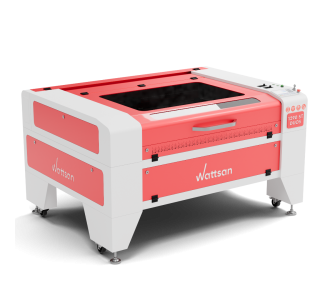
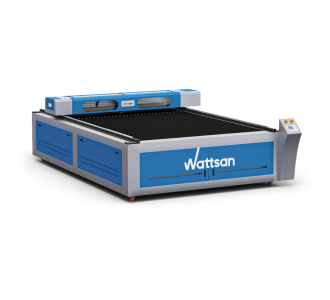
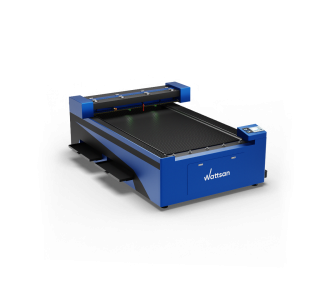
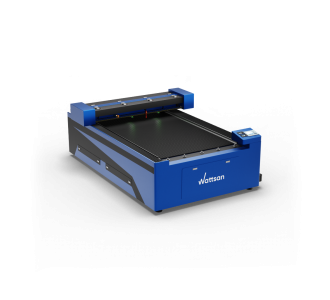
The right MDF laser cutting machine depends on board thickness, ventilation capacity, and work area format.
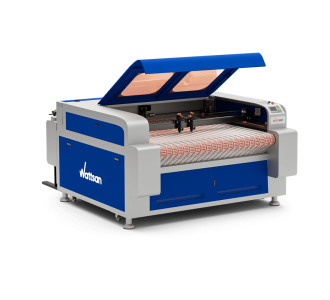
- Laser power - 80W cuts MDF and chipboard cleanly up to 6-8 mm; 100-130W reaches up to 10 mm thick board; 100-130W (large flatbed models) enables high-speed serial production of full panels and bulk orders; 360-700W heavy-duty models suit industrial continuous production runs on dense MDF, high-grade chipboard, and thick composite materials without speed compromise.
- Work area - 500×300 mm suits small custom orders; 900×600 mm handles standard panel formats; 1200×900 mm and larger support full-sheet production, reducing material waste and setup time.
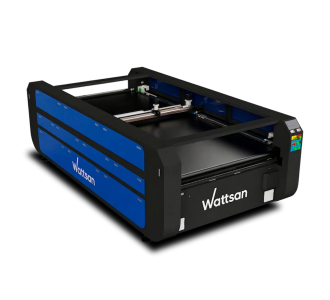
- Pass-through table - an open-ended configuration removes length limitations, ideal for processing long strips and continuous production of elongated components.
- Lifting table - adjustable height is essential when working with MDF and chipboard of varying thickness (3, 6, 9, 12 mm), eliminating refocusing delays between different material batches.
- Table type - honeycomb is standard for flat sheet cutting and reduces material waste; lamellae work better for thicker chipboard where consistent airflow prevents charring on cut edges.
- Enclosed motion module - sealed mechanics protect against MDF dust and finer particles that accumulate during intensive production. Essential for preventing premature wear on belts, bearings, and optical components from fine wood particles.
- Fire safety - built-in fire detection sensors and audible alarms are mandatory for MDF and chipboard processing. Composite materials and adhesive binders in these boards lower ignition temperatures significantly - safety is non-negotiable during long production shifts.
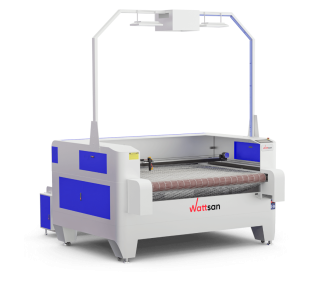
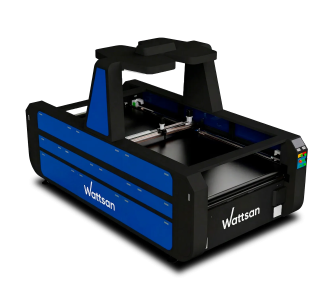
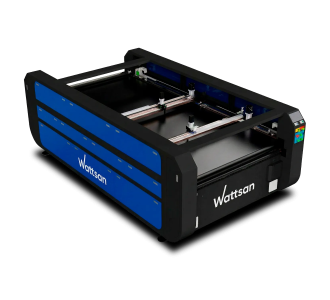
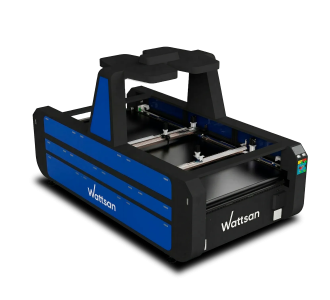
- Number of heads and gantries - dual-head models (Wattsan 1290 Duos, 1610 Duos) double output when cutting identical parts; dual-gantry systems (1820 Conveyor PRO Dual, 1820 Cam Conveyor PRO Dual) are ideal for high-volume serial furniture production and batch orders.
- Central Y-axis motor alignment (available mainly on medium and large models) - maintains proper gantry alignment, critical for precision cuts in MDF where even slight misalignment causes visible imperfections and waste.
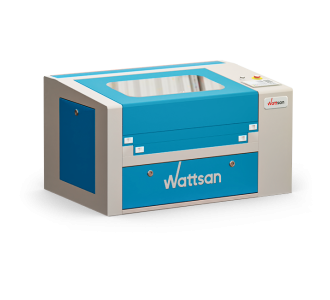
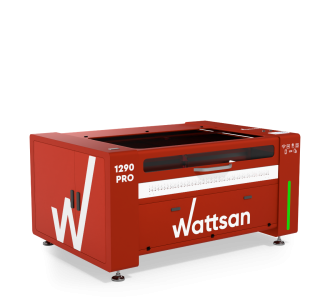
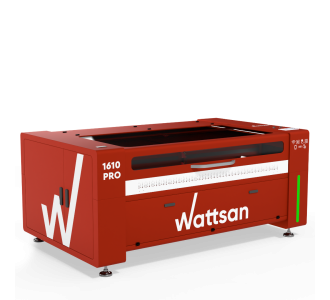
- Cooling system - CO2 laser tubes require continuous cooling to prevent overheating and failure. Standard models include a water pump; premium models (e.g., Wattsan 0503 Hobby-T, Wattsan 6090 PRO/1290 PRO/1610 PRO) feature built-in chillers. For all other models operating on heavy MDF and chipboard, we strongly recommend an external chiller for 24/7 reliability and extended tube lifespan.
- Waste collection chamber - improves operational comfort and air quality in the workspace. Beyond its primary function, it significantly boosts exhaust efficiency, preventing MDF dust from settling on optical components and reducing maintenance needs.
Why Buy from Virmer
Virmer is the official Wattsan distributor in Europe, with machines in stock and ready for dispatch - no customs delays for European buyers. MDF and chipboard cutting puts higher demands on extraction and power settings - our team can advise on the right machine configuration and ventilation setup before you order. The full range of CO2 CNC laser cutting and engraving machines covers every production scale, and a free online demo is available on request.

